What Cooking Taught Me About Control
Feb 05, 2026Control, when you really look at it, is largely an illusion. We don’t know what will happen later today, tomorrow, or ten years from now. And yet we organise our lives around the belief that we are somehow steering the ship. We plan, optimise, insure, prepare. All of it an attempt to steady ourselves in a world that is, by nature, uncertain.
In 2010, I spent a month in a Buddhist monastery in Northern Thailand, practising Vipassana meditation. In Buddhist philosophy, the Three Basic Qualities of Existence are Impermanence, No Self, and Suffering. No-self (anatta or anātman) implies a lack of absolute, autonomous control over the constituents of our existence. What we can do, however, is train the mind to be in control of how we respond to what unfolds in life.
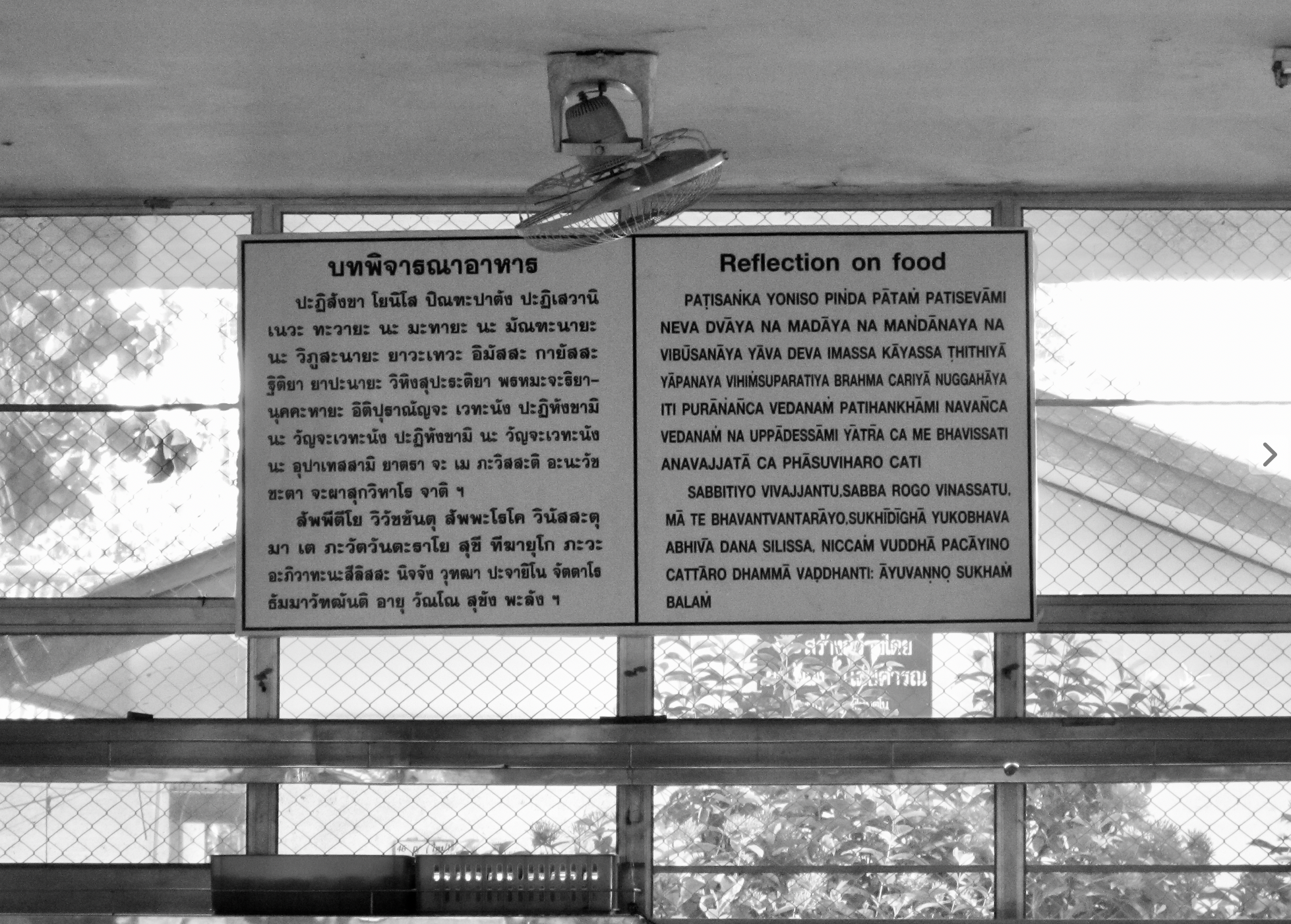
I’ve been thinking about how this applies to food.
In many ways, food is one of the few areas where we do have a tangible sense of agency. Within reason, we choose what we eat. Of course, this control is not absolute. A failed harvest, a crisis, a shifting climate can change everything. Ultimately, even here, control is conditional. But for now, all other things being equal, we can decide what we put into our bodies.
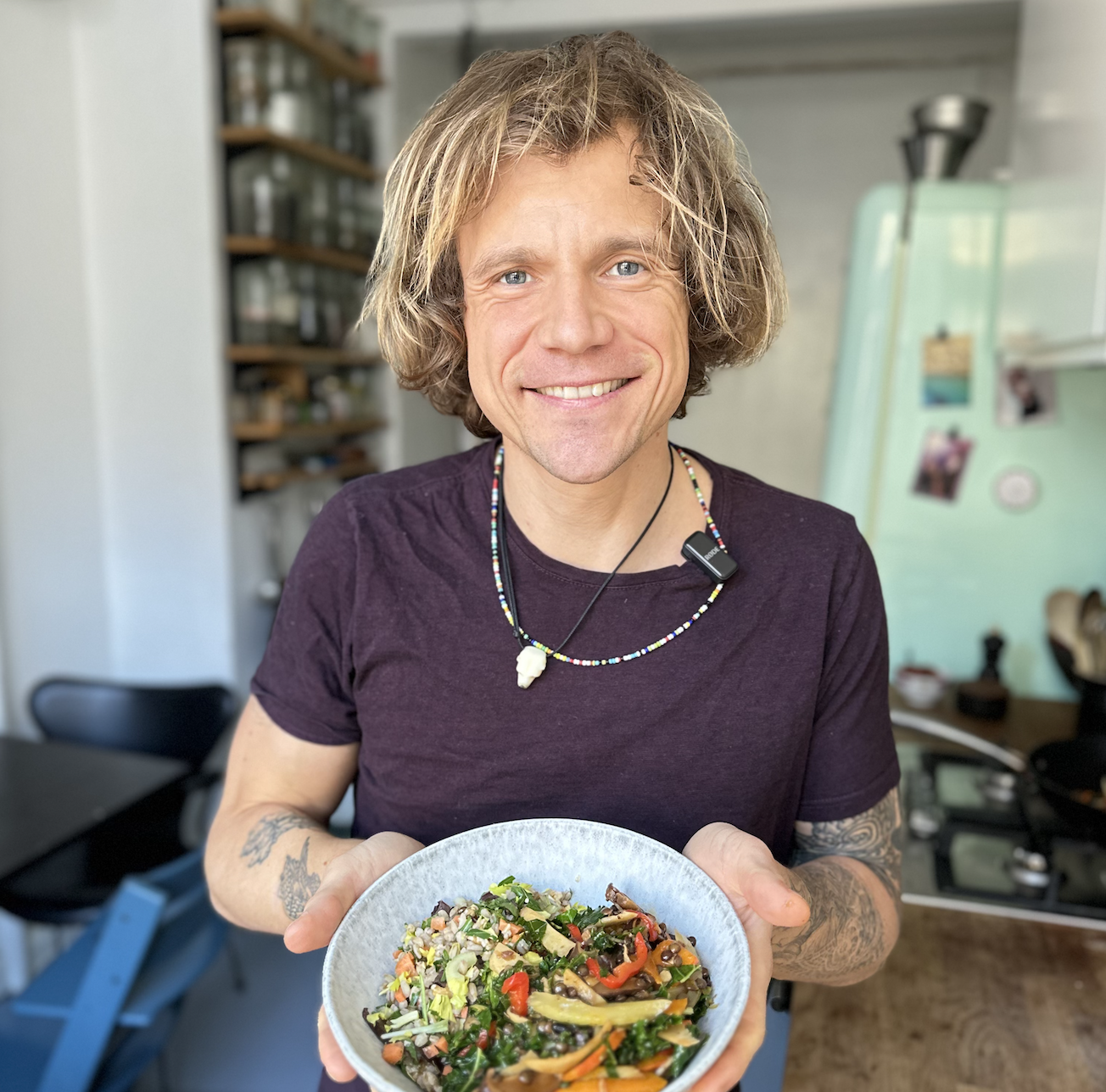
We live in a world that feels increasingly noisy, fast, and unstable. For me, cooking has become a counterpoint to that. Preparing my own food, knowing where it comes from, and choosing ingredients with care feels like a refuge. A place where my actions align with my values. Each nourishing meal feels like a modest but meaningful victory. Not in a grand or heroic sense, but in a human one.
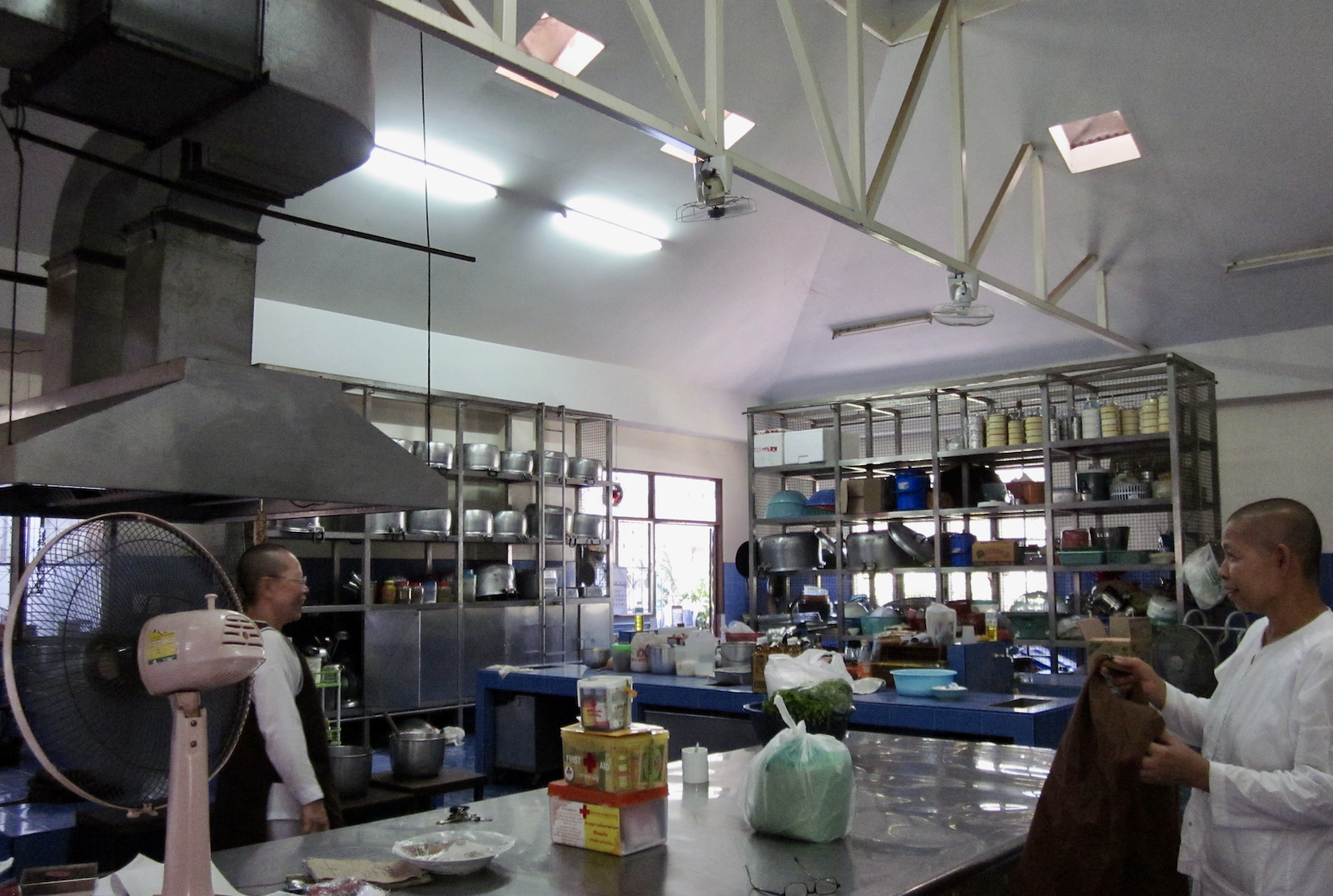
So much of the food people eat these days is made by companies whose primary motivation isn’t our health, but profit. Even when ingredients are carefully chosen and labels are clean, the driving force is still commercial. These products, by and large, are not made with love. And I do genuinely believe – fully aware of how cliché it sounds – that love is the most important ingredient. Food made from whole ingredients, prepared with care and intention, just nourishes us more deeply.
There is another layer to this as well.
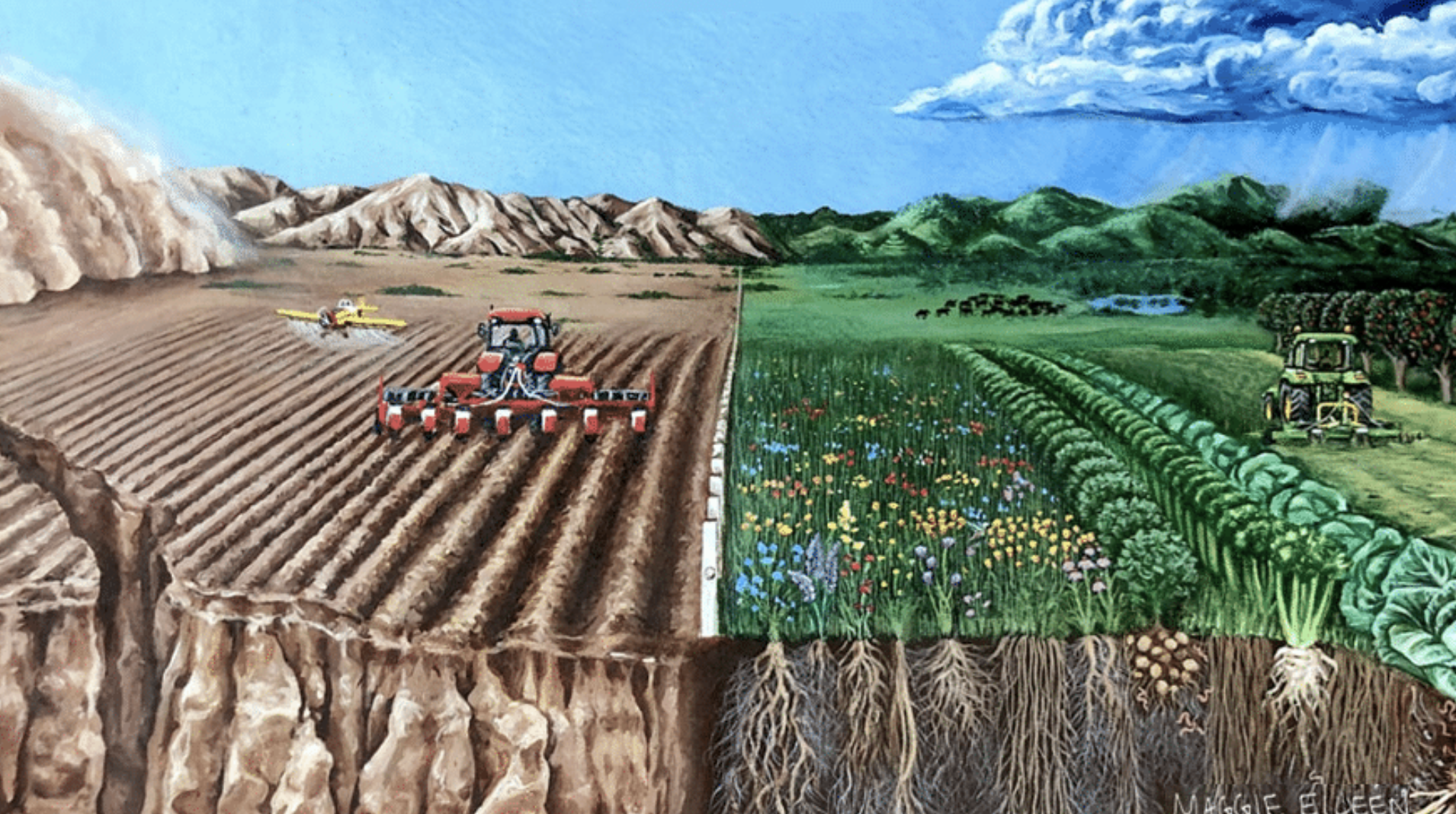
When we choose more plants and plant-based protein sources, we are not only supporting our own wellbeing, we are also participating in something larger than ourselves. Our food choices affect land, water, ecosystems, and climate. And while it can feel insignificant at the level of the individual, it is not. As the Dalai Lama once put it:
“If you think you’re too small to make a difference, try spending the night with a mosquito.”
I’m not sharing this to moralise or prescribe. Everyone has to make their own choices, shaped by their circumstances, culture, and personal preferences. I don’t judge anyone for theirs. What I want to offer is simpler than that.
Cooking your own food, using generous amounts of plants and whole ingredients, feels good. It grounds you. It reconnects you with your body, with the seasons, and with the satisfaction of doing something nourishing for yourself and others. And yes, it also makes a real difference for the future of the planet. Together, I believe we really can change the world by changing the way we eat.
